familycouncil2.o1wdigital.com

Fourth Family Counseling Experts Forum

Strengthening Family Communication Across Generations

The Fourth Forum for Family Counseling Experts addressed the changing relationship between families, generations, technology, culture, and social communication. Its recommendations focused on reducing the digital and cultural gap between parents and children, strengthening family dialogue, supporting young people, preserving shared values, and promoting responsible use of technology.

Forum RecordNo. 004
  1. 01Egypt
  2. 02Fourth Forum for Family Counseling Experts
  3. 03Official Forum Recommendations
FACFamily Advisory Council
Fourth Forum

Overview

About the Fourth Forum

The Fourth Forum for Family Counseling Experts is presented here as an official record gathering the forum’s recommendations on intergenerational communication and the handling of technology within the Arab family.

Participants affirmed that the digital and cultural gap between generations calls for shared work between families and educational, community, and religious institutions to build healthier, more cohesive family relationships.
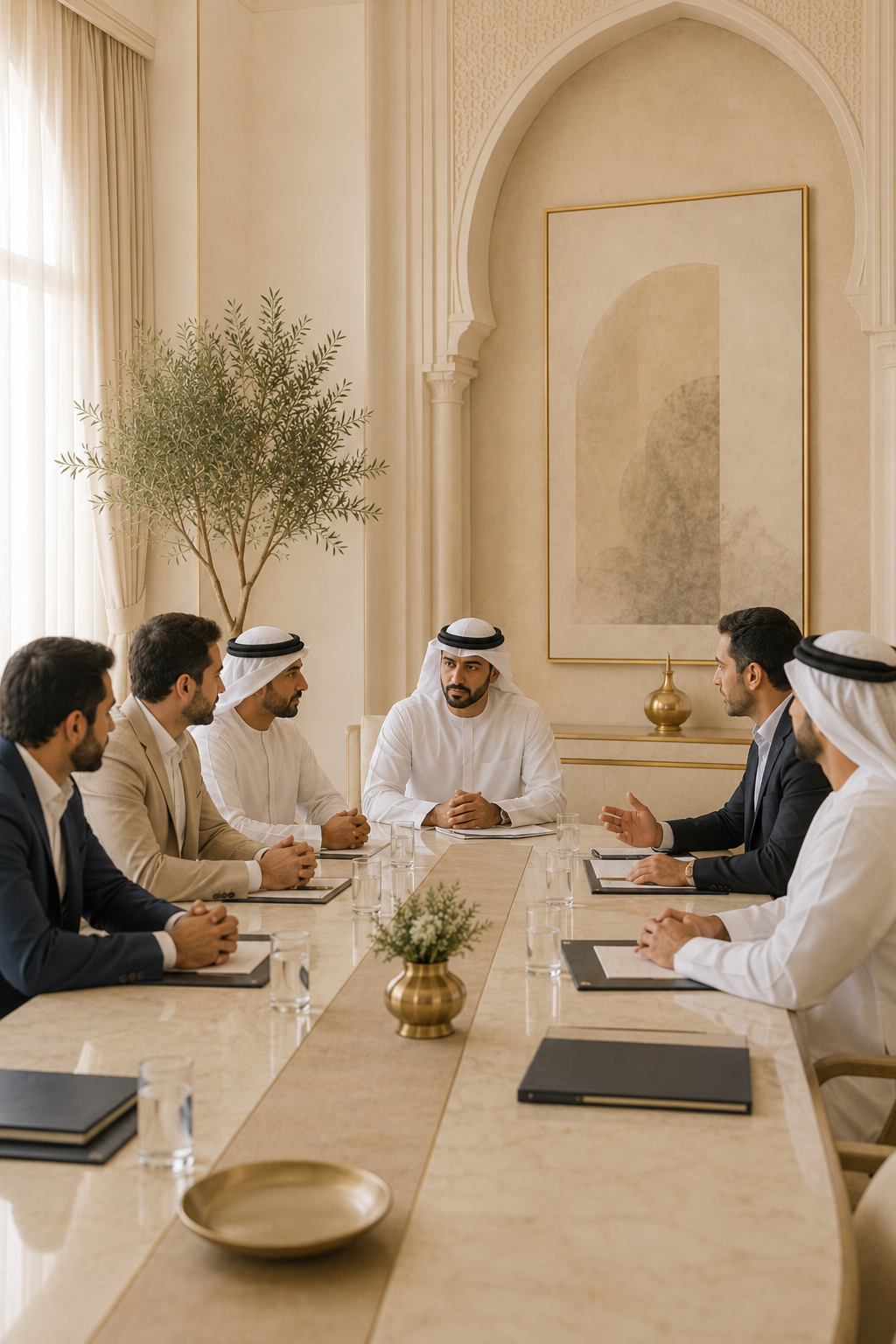
Fourth Forum Awards

Awards Presented at the Fourth Forum

Three award categories were presented at the Fourth Forum. They are shown here separately from the forum recommendations.


01
Best Community Initiative in the Arab World Award
Syria flag

The Syrian Family Advisory Council

Syria
02
Best Family Advisory Council in the Arab World Award
Iraq flag

The Iraqi Family Advisory Council

Iraq
Palestine flag

The Palestinian Family Advisory Council

Palestine
The award was jointly presented to both councils.
03
Best Family Counselor in the Arab World Award
United Arab Emirates flag

Counselor Dr. Fatima Jassim Al-Hayas

United Arab Emirates

Forum Recommendations

Recommendations for Family Dialogue, Technology and Intergenerational Understanding

The recommendations call on families, governments, educational institutions, community organizations, religious institutions, parents, and young people to work together in reducing the digital and cultural gap between generations and building healthier family relationships.

01

Parents, Technology and the Digital Gap

  • The need for parents to keep pace with the developments of the age.
  • Making use of family-counseling centres.
  • Becoming familiar with the use of social-media applications.
  • Opening effective channels of dialogue between parents and children about digital topics.
  • Exchanging experience and knowledge between generations.
  • Understanding the viewpoints of both parents and children.
  • Ending the isolation of older people within the family.
  • Providing training programmes for parents on the use of technology.
  • Helping parents acquire digital skills.
  • Reducing the technological gap between parents and children.
  • Establishing agreed-upon rules for the use of technology.
  • Setting suitable times for using technology.
  • Encouraging reading, sport, hobbies, and non-digital activities.
02

Intergenerational Communication and Understanding

  • Developing strategies to strengthen communication between generations.
  • Reducing the digital gap.
  • Supporting family and psychological counseling.
  • Understanding the concerns and challenges facing the family.
  • Reducing the effect of the gap on family bonds.
  • Conducting further studies and research on the digital gap.
  • Providing practical and effective solutions to limit its negative effects.
  • Establishing national programmes for communication between generations.
  • Incorporating intergenerational awareness into educational curricula.
03

Government Policies and Public Initiatives

  • Establishing national programmes for communication between generations.
  • Supporting scientific research.
  • Incorporating intergenerational awareness into educational curricula.
  • Encouraging responsible use of technology.
  • Developing public policies to regulate the use of technology.
  • Supporting government initiatives related to technology and the family.
  • Raising awareness of the importance of balance between digital life and real-world interaction.
  • Launching media awareness campaigns.
  • Incorporating the optimal use of technology into school curricula.
04

Educational, Community and Religious Institutions

  • Organizing workshops and community events.
  • Launching counseling and guidance programmes.
  • Reviving cultural heritage.
  • Support by schools and educational institutions for the role of the family.
  • Strengthening the role of schools, mosques, and churches.
  • Spreading the values of direct communication.
  • Promoting respect for social relationships.
  • Spreading religious awareness among young people.
  • Raising community awareness of the balanced use of technology.
05

Family Dialogue and Shared Values

  • Strengthening dialogue within the family.
  • Strengthening shared family activities.
  • Teaching shared values.
  • Strengthening effective communication among family members.
  • Speaking and listening regularly and sincerely.
  • Consultation and dialogue.
  • Resolving disagreements through constructive dialogue.
  • Mutual understanding and flexibility.
  • Adapting to changes and challenges with patience.
  • Spreading positive family values through technology.
  • Using digital platforms for educational awareness.
  • Encouraging participation in voluntary and community activities online.
06

Young People, Leadership and Volunteering

  • Strengthening personal awareness.
  • Encouraging volunteering with older people.
  • Making positive use of social media.
  • Providing the necessary support for young people.
  • Building a generation able to face life's challenges with confidence and inner peace.
  • The need for Arab families capable of genuine and influential leadership.
  • Anticipating children's future through the leading family.
  • Strengthening communication between parents and children through innovative training programmes.
  • Motivating families to be innovative in solving family problems.
  • Preparing a leading generation able to face challenges.
  • Creating platforms that attract young people.
  • Producing varied programmes through influential youth figures.
07

Culture, Traditions and Shared Family Activities

  • Encouraging children to discuss cultural values, customs, and traditions.
  • Discussing personal interests.
  • Organizing regular dialogue sessions.
  • Reading shared books and discussing them with children.
  • Sharing in play with children.
  • Organizing shared cultural activities.
  • Visiting museums.
  • Attending cultural events and workshops.
  • Asking children for help with technology without embarrassment.
  • Using communication applications to understand children's interests.
  • Accepting cultural changes.
  • Flexibility in understanding children's viewpoints.
  • Using social and religious occasions for dialogue.
  • Explaining the customs associated with these occasions.
  • Listening to viewpoints concerning modern values.
  • Identifying common ground.
  • Sharing daily activities such as gardening and cooking.
  • Teaching cultural traditions.
  • Strengthening mutual understanding and respect.
08

Family Wellbeing and Social Support

  • Cooperation between community and family to support young people.
  • Continuous dialogue.
  • Sound guidance.
  • Attending to the family's mental health.
  • Creating a healthy family environment.
  • Holding family-counseling courses.
  • Educating parents in ways that help them raise their children properly.
  • Providing material and moral support to breadwinning mothers.
  • Narrowing the technological gap between the parents' generation and the children's generation.
  • Limiting the negative influence of social-media platforms on the value system.
Study Recommendations
09

Awareness of Japanese Anime Content and Its Influence on Children

  • Raising awareness among family members, especially fathers and mothers, about Japanese anime series.
  • Using training and awareness courses.
  • Organizing group discussion circles.
  • Parents taking an interest in their children and sharing their various interests.
  • Sharing those interests even when they do not match the taste or culture of the parents.
  • Discussing the convictions and values the children take in.
  • Correcting the course of those convictions before the problem worsens.
  • Instilling religious, doctrinal, ethical, and educational values from an early age.
  • Raising a generation connected to its Arab and Islamic culture.
  • Making children aware of content that contradicts, alters, or falsifies their culture.
  • Activating self-monitoring in children in the absence of their parents.
  • Emphasizing awareness of God and a sense of His presence.
  • Continuous follow-up of children by their parents.
  • Monitoring the changes that appear in children's ideas or behaviours.
  • Addressing those changes through dialogue, discussion, and guidance.

Official Forum Document

Read the Original Arabic Recommendations

The official recommendations document in Arabic.

Family Advisory Council

Supporting Stronger Families Through Shared Knowledge

The Council continues to promote family wellbeing through professional cooperation, research, counseling, education, and responsible community initiatives.